Do Bald People Get Dandruff? The Truth About Dandruff on a Bald Scalp
do bald people get dandruff :Many people believe that dandruff only happens when someone has hair. However, do bald people get dandruffthis is not completely true. Do bald people get dandruff? Yes, they can. Even if a person has very little hair or a completely shaved head, the scalp can still experience flaking, dryness, irritation, and conditions that cause dandruff-like symptoms.
The surprising truth is that dandruff is mainly connected to the condition of the scalp rather than simply the presencedo bald people get dandruff of hair. Understanding what causes scalp flakes can help bald people take better care of their skin and maintain a clean, healthy, and confident-looking scalp.
What Is Dandruff?
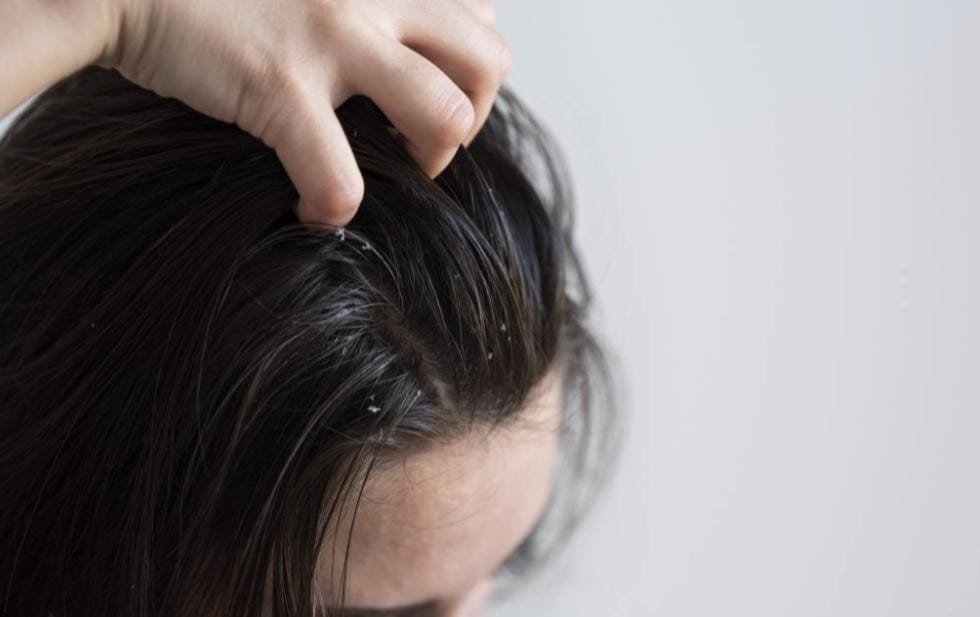
Dandruff is a common scalp condition that causes visible flakes of skin. Some people may also experience itching,do bald people get dandruff irritation, or an oily scalp.
Dandruff can be influenced by several factorsdo bald people get dandruff, including:
- Excess oil on the scalp
- Skin irritation
- Product buildup
- Dry skin
- Certain scalp conditions
- The presence of a yeast called Malassezia
Hair itself does not directly cause dandruff. This is why a person with little or no hair can stilldo bald people get dandruff experience flakes or irritation on the scalp.
Can Completely Bald People Get Dandruff?
Yes. A completely bald person can still have scalp flaking or a dandruffdo bald people get dandruff-related scalp condition.
However, it is important to understand that not every flake on a bald scalp is necessarily dandruff.do bald people get dandruff Dry skin, sun exposure, irritation from shaving products, and other skin conditions can also cause visible flakes.
This is why proper scalp care is a powerful and essential step for anyonedo bald people get dandruff experiencing persistentdo bald people get dandruff flaking.
Why Do Bald People Get Dandruff?
1. Excess Oil on the Scalp
The scalp continues to produce natural oil even when there is little or no hair. Excess oil can contribute to conditions associated with dandruff.
Regular and gentle cleansing can help keep the scalp clean.
2. Dry Skin
A shaved or bald scalp is directly exposed to the environment. Cold weather, dry air, harsh soaps, and excessive washing may cause the skin to become dry and flaky.
Using a suitable moisturizer may help keep the scalp comfortable.
3. Seborrheic Dermatitis
Seborrheic dermatitis is a common skin condition that can cause flaking, redness, and irritation. It can affect areas of the body that have oil-producing glands, including the scalp.
Even without hair, the skin of the scalp can still be affected.
4. Product Buildup
Some people use oils, creams, shaving products, or other scalp products. When these products build up or irritate the skin, they may contribute to visible flakes.
Choosing suitable products and cleansing regularly can make a remarkable difference.
5. Shaving Irritation
Frequent shaving may sometimes irritate the scalp, especially when using dull razors or harsh shaving products. Irritation can lead to dryness and flaking.
Using gentle shaving techniques and suitable products may help protect the skin.
How Can Bald People Reduce Scalp Flakes?
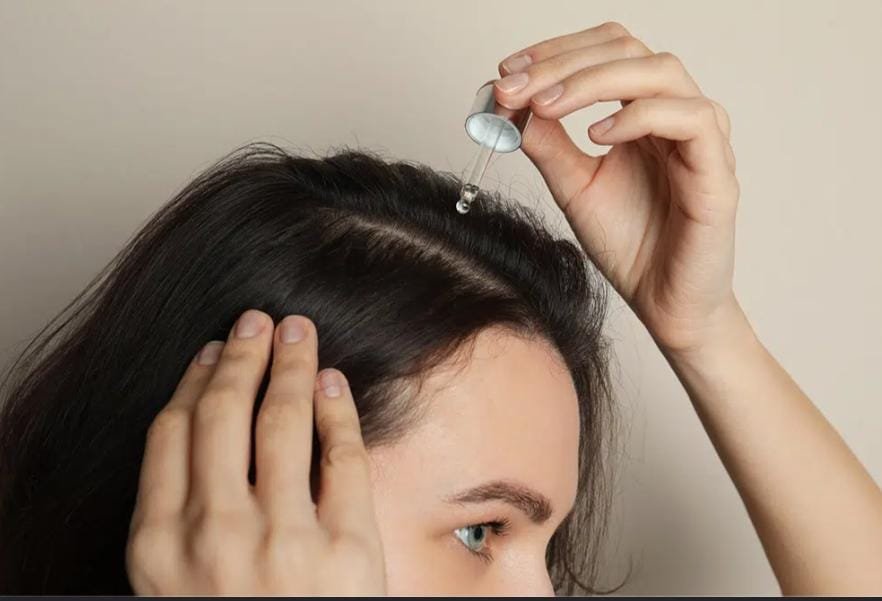
A simple and consistent scalp-care routine can help improve the appearance and comfort of the scalp.
Keep the Scalp Clean
Wash the scalp regularly using a gentle cleanser. If dandruff is persistent, a suitable anti-dandruff shampoo may sometimes be recommended even for a shaved scalp.
Avoid excessively harsh products that can strip the skin of its natural moisture.
Moisturize the Scalp
A bald scalp may need moisture, especially if it feels dry or tight. Choose a lightweight moisturizer that is suitable for the skin.
Healthy hydration can be a game-changing secret for reducing the appearance of dryness-related flakes.
Protect Your Scalp From the Sun
Without hair, the scalp has less natural coverage from sunlight. Excessive sun exposure can irritate or damage the skin.
Consider protecting the scalp with appropriate sun protection or physical coverage when spending time outdoors.
Avoid Scratching
Scratching may further irritate the scalp and make flaking or redness worse. Try to gently cleanse and moisturize the area instead of aggressively scratching.
Choose Gentle Shaving Products
If you regularly shave your head, use clean and suitable shaving tools. Harsh products may irritate sensitive skin.
A clean razor and gentle shaving routine can help create a smooth and comfortable scalp-care experience.
Is Dandruff Different on a Bald Scalp?
The underlying causes can be similar, but dandruff may look different when there is no hair. Flakes may be more visible directly on the scalp or may fall onto clothing more easily.
Because there is no hair covering the skin, other problems such as dryness, irritation, or sun-related peeling may also be easier to notice.
Therefore, it is important not to assume that every scalp flake is dandruff.
When Should You See a Dermatologist?
Occasional mild flaking is common. However, consider seeking advice from a qualified healthcare professional if you experience:
- Severe or persistent itching
- Significant redness
- Pain or swelling
- Thick scales
- Bleeding or open areas
- Flaking that does not improve with basic scalp care
A dermatologist can help determine the real cause of persistent scalp problems and recommend appropriate treatment.
Final Thoughts
So, do bald people get dandruff? Absolutely, yes. Hair is not required for dandruff or scalp flaking to occur. The scalp is still skin, and it can produce oil, become irritated, develop dryness, and experience conditions associated with dandruff.
The ultimate secret to maintaining a healthy bald scalp is consistent and gentle care. Keep your scalp clean, avoid harsh products, moisturize when necessary, and pay attention to persistent symptoms.
With the right scalp-care routine, you can support a cleaner, healthier, smoother, and more confident-looking bald scalp.