Do Bald People Get Dandruff? Understanding Scalp Flakes and Scalp Health
do bald people get dandruff :Many people assume that dandruff only affects people with thick or long hair. But do bald people get dandruff? do bald people get dandruffThe answer is yes. Dandruff is primarily a scalp condition, not a hair condition, so having little or no hair does not completelydo bald people get dandruff protect someone from flakes, itching, dryness, or irritation.
In fact, when the scalp is exposed because of hair loss or shaving, flakes can sometimes become more noticeabledo bald people get dandruff. The good news is that dandruffdo bald people get dandruff can usually be managed with a consistent do bald people get dandruffand effective scalp-care routine.
What Is Dandruff?
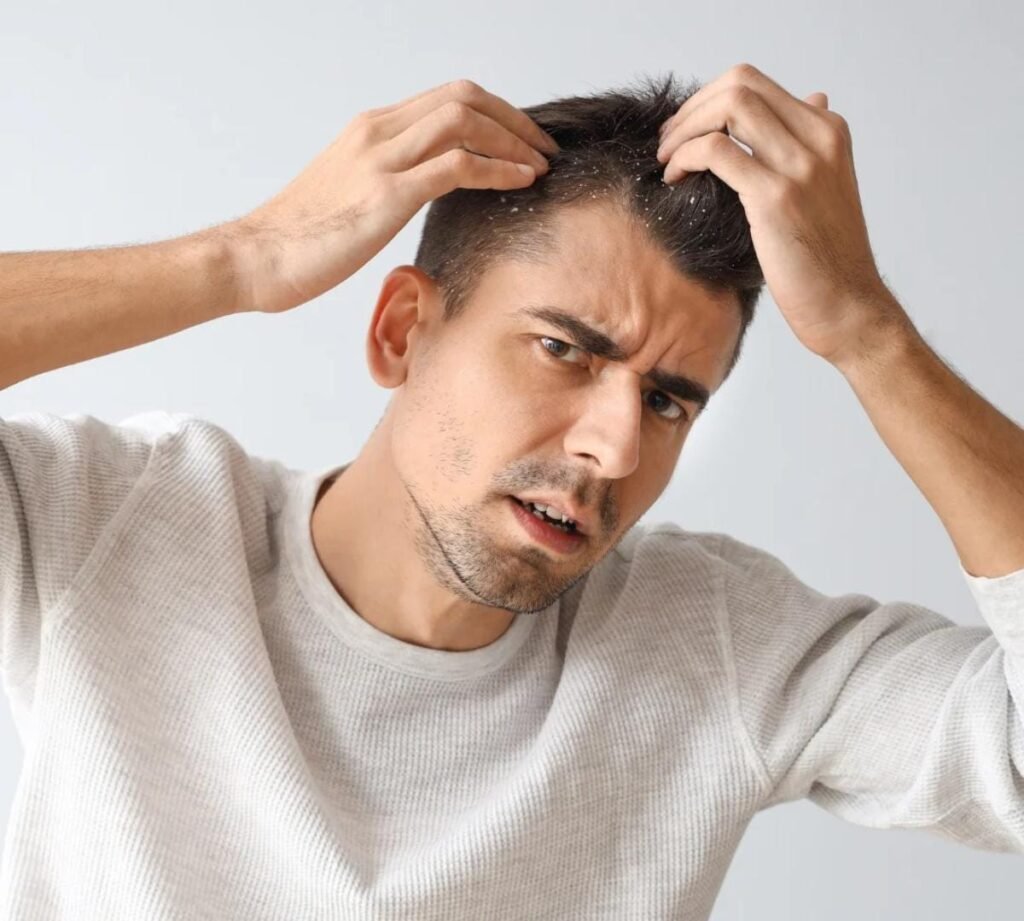
Dandruff is a common scalp condition that causes visible flakes and may be accompanied by itching or irritation.do bald people get dandruff It can occur when the scalp produces excess oil, becomes irritated, or experiences an overgrowth of a naturally occurring yeast called Malassezia.
Dandruff can appear as small white or yellowish flakes on the scalp. For bald people, these flakes may be easier to seedo bald people get dandruff because there is no hair covering the scalp.
It is important to understand that dandruff is not caused simply by having hair. Therefore, removing the hairdo bald people get dandruff does not necessarily remove the underlying cause.
Why Can Bald People Get Dandruff?
A bald scalp still contains sebaceous glands that produce natural oils. It also contains skin cells that naturally shed over time. If oil, dead skin cells, and microorganisms become unbalanced, dandruff can develop.
Several factors may contribute to dandruff on a bald scalp, including:
- Excess oil production
- Dry or irritated skin
- Cold or dry weather
- Stress
- Certain hair and scalp products
- Frequent sweating
- Skin conditions such as seborrheic dermatitis
- Sensitivity to particular skincare products
Shaving can also temporarily irritate the scalp. If someone uses a dull razor, shaves too frequently, or applies irritating products afterward, the skin may become red, dry, or flaky.
Dandruff vs. Dry Scalp
One of the most important things to recognize is that dandruff and dry scalp are not always the same thing.
A dry scalp generally occurs when the skin loses too much moisture. The flakes are often small and dry, and the scalp may feel tight or uncomfortable.
Dandruff, on the other hand, is often associated with oiliness, irritation, and an imbalance involving Malassezia. The flakes may appear larger, and itching can be more noticeable.
Understanding the difference can help you choose a more powerful and targeted scalp-care routine.
Does Shaving Your Head Prevent Dandruff?
Shaving your head does not prevent dandruff. While shaving can remove visible flakes from the hair itself, it does not change the skin’s natural oil production or eliminate the microorganisms associated with dandruff.
A shaved scalp can actually make flakes more visible. This does not necessarily mean that shaving caused dandruff—it simply means that there is no hair to hide the flakes.
If you regularly shave your head, taking care of the exposed skin is especially important.
How Can Bald People Manage Dandruff?
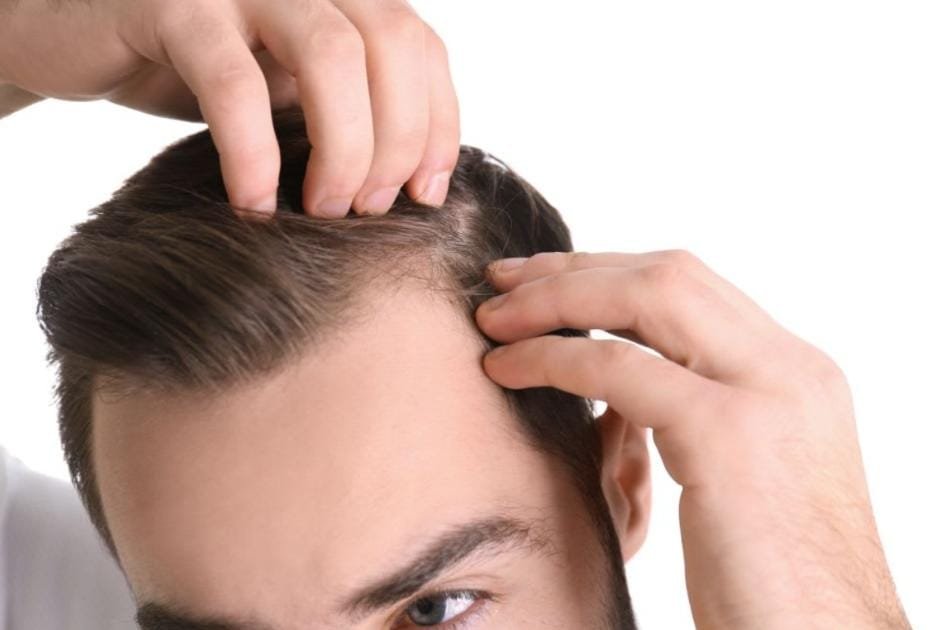
A simple and consistent scalp-care routine can make a remarkable difference.
Start by washing the scalp regularly with a gentle cleanser or an appropriate anti-dandruff shampoo. Some anti-dandruff products contain ingredients such as ketoconazole, selenium sulfide, zinc pyrithione, or salicylic acid. The right choice depends on the cause and severity of the symptoms.
Avoid aggressively scratching the scalp because scratching can cause irritation and small breaks in the skin. Instead, gently massage the scalp while cleansing it.
If your scalp feels dry, consider using a lightweight, fragrance-free moisturizer that is suitable for facial or scalp skin. Avoid applying heavy oils if they make your scalp feel greasy or worsen your flakes.
Protect Your Bald Scalp
A bald scalp is more exposed to environmental conditions than a scalp covered by hair. Sun exposure, cold weather, wind, and dry air can all affect the skin.
During sunny weather, protecting your scalp with a hat or appropriate broad-spectrum sunscreen can help protect exposed skin from harmful UV radiation.
Keeping the scalp clean, moisturized when necessary, and protected from excessive sun exposure can create a healthier and more comfortable environment.
When Should You See a Doctor?
Occasional mild flakes are usually not a serious concern. However, persistent or severe symptoms may require professional evaluation.
Consider seeing a dermatologist if you experience intense itching, significant redness, swelling, painful areas, thick scales, bleeding, sores, or symptoms that do not improve with regular scalp care.
Conditions such as seborrheic dermatitis, psoriasis, eczema, or fungal infections can sometimes look similar to ordinary dandruff. A dermatologist can help identify the underlying cause and recommend the most effective treatment.
Final Thoughts
So, do bald people get dandruff? Absolutely. Dandruff affects the scalp rather than the hair itself, which means people with completely shaved heads can still experience flakes, itching, dryness, and irritation.
The key is to focus on scalp health, not simply hair care. Regular cleansing, gentle skincare, appropriate anti-dandruff products, and protection from environmental factors can help keep a bald scalp looking and feeling clean and healthy.
If dandruff continues despite consistent care, professional advice can help determine whether another scalp condition is responsible. With the right routine and treatment, maintaining a fresh, healthy, and comfortable scalp is entirely achievable.