Hair Coming Out in Clumps: Causes, Warning Signs, and What to Do
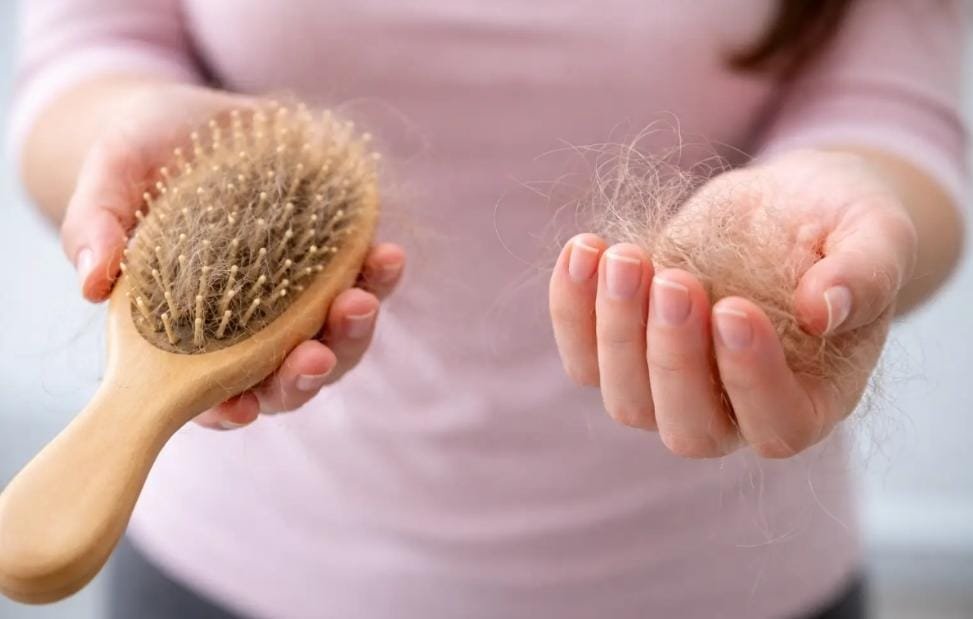
hair coming out in clumps :Seeing your hair coming out in clumps can be frightening, especially when you notice large amountshair coming out in clumps of hair on your pillow, in the shower, or on your hairbrush. While losing some hair every day is completely normal, sudden or excessive shedding can sometimes indicate that something has changed in your body, scalp, or hair-care routine.
The American Academy of Dermatology notes that people normally shed around 50 to 100 hairs per day, but excessive shedding can happenhair coming out in clumps after certain physical or emotional stressors, illnesses, childbirth, major weight loss, and otherhair coming out in clumps changes.
Understanding the possible causes can help you decide when simple hair-care changes may be enough and when it is important to speak withhair coming out in clumps a dermatologist.
What Does It Mean When Hair Comes Out in Clumps?
Hair coming out in clumps means you are noticing significantly more hair shedding than usual at one time. This may happen while shampooing, brushing, or simply running your fingers through your hair.
Sometimes this is temporary excessive shedding rather than permanent hair loss. A common example is telogen effluvium, which can occur a few months after a major stressor such as an illness, high fever, surgery, childbirth, significant weight loss, or severe stress.
However, sudden clumps of hair can also occur with other forms of hair loss, so identifying the underlying cause is important.
Common Causes of Hair Coming Out in Clumps
1. Physical or Emotional Stress
Significant stress can affect the normal hair-growth cycle. After a stressful event, increased shedding may become noticeable several months later.
The good news is that stress-related excessive shedding can often improve once the underlying trigger has resolved. Hair may gradually regain its normal fullness over several months.
2. Recent Illness or High Fever
A serious illness or high fever can temporarily disrupt the hair-growth cycle. Some people notice increased shedding after they have recovered rather than while they are sick.
This type of shedding may improve as the body returns to normal.
3. Hormonal Changes
Hormonal changes can affect hair growth and shedding. For example, noticeable shedding can occur after pregnancy, while certain hormonal conditions can also contribute to hair thinning.
Because hormonal hair loss can have different causes, persistent or sudden shedding should be evaluated by a healthcare professional.
4. Nutritional Deficiencies
Not getting enough certain nutrients can contribute to noticeable hair loss. The American Academy of Dermatology lists low levels of nutrients such as iron, protein, zinc, or biotin among possible causes of hair loss.
However, taking supplements without knowing whether you actually have a deficiency is not always helpful. Excess amounts of some nutrients can even worsen hair loss, so it is better to discuss supplementation with a healthcare professional.
5. Thyroid Problems
Thyroid disorders can sometimes cause hair thinning or increased shedding. Some people with thyroid disease may notice hair coming out in clumps while brushing.
If you are experiencing significant shedding along with other symptoms that could indicate a thyroid problem, speak with your doctor for appropriate evaluation.
6. Tight Hairstyles
Repeatedly wearing very tight ponytails, braids, buns, or other hairstyles that pull on the scalp can contribute to a type of hair loss called traction alopecia.
If a hairstyle causes pain, stinging, crusting, or visible pulling around the hairline, it may be too tight. Continued tension can eventually damage hair follicles and cause permanent hair loss.
7. Chemical and Heat Damage
Frequent coloring, chemical straightening, relaxing, perming, and excessive heat styling can weaken the hair. Although breakage is different from hair shedding from the follicle, damaged hair can make it appear that you are losing more hair.
Reducing chemical treatments and excessive heat can help protect fragile hair.
Hair Shedding vs. Hair Loss
It is useful to understand the difference between excessive shedding and hair loss.
Hair shedding means more hairs than usual are entering the natural shedding phase. This can sometimes be temporary.
Hair loss occurs when something interferes with normal hair growth. It may appear as gradual thinning, a widening part, a receding hairline, or bald patches. Hair loss can have many different causes and may require specific treatment.
A dermatologist can help determine whether you are experiencing excessive shedding, hair loss, breakage, or a combination of these problems.
What Can You Do If Your Hair Is Coming Out in Clumps?
Start by treating your hair gently. Use a mild shampoo and apply conditioner after washing. A leave-in conditioner or detangler may also help reduce breakage and make fragile hair easier to manage.
Try to avoid tight hairstyles and reduce unnecessary heat styling. Be gentle when brushing and detangling, particularly when the hair is wet.
It is also important to maintain a balanced diet that provides adequate protein and essential nutrients. Avoid taking high-dose hair-growth supplements unless a healthcare professional recommends them.
When Should You See a Dermatologist?
You should consider seeing a dermatologist if you notice sudden or significant hair loss, persistent excessive shedding, bald patches, a rapidly widening part, or other changes that concern you.
The American Academy of Dermatology recommends getting the cause of hair loss evaluated because treatment depends on the underlying problem. A dermatologist may examine your scalp and hair and, when appropriate, recommend tests for conditions such as nutrient deficiencies, hormonal problems, or infections.
Sudden hair loss can have many causes, so relying only on shampoos or supplements may not address the actual problem.
How to Protect Your Hair While It Is Shedding
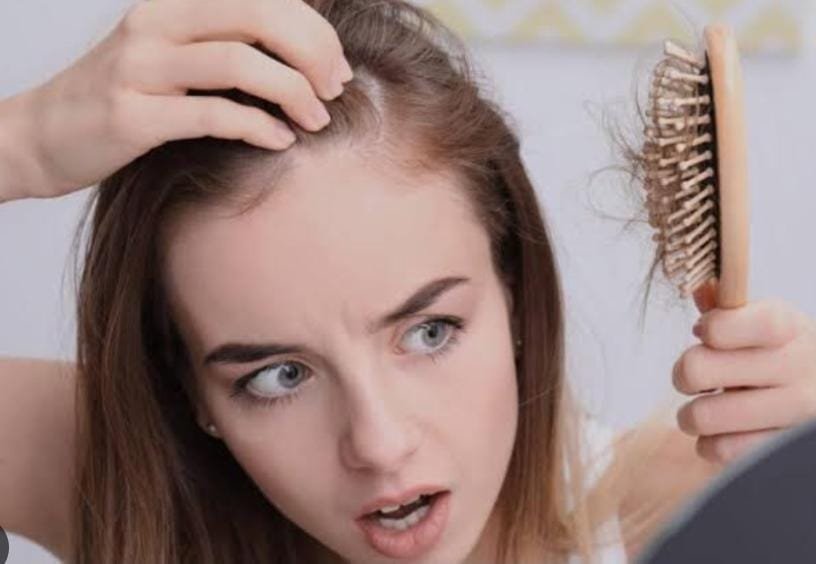
When your hair is fragile, a gentle routine can make a powerful difference.
Choose a moisturizing conditioner, avoid aggressive brushing, limit high-heat styling, and avoid hairstyles that constantlyhair coming out in clumps pull on the scalp. If your hair is chemically treated, consider taking a break from additional chemical processing until the shedding or breakage is evaluated.
You can also use a wide-tooth comb and gently detangle from the ends upward. These habits can help reducehair coming out in clumps unnecessary mechanical damage.
Can Hair Coming Out in Clumps Grow Back?
In some cases, yes. Temporary excessive shedding can improve once the underlying trigger has resolved. For example, hair shedding following an illness, major stressor, or childbirth may gradually decrease, with fullness returning over time.
However, not every type of hair loss is temporary. Some conditions can cause ongoing or permanent loss if they are not treated. That is why identifying the cause is one of the most important steps.
Final Thoughts
Hair coming out in clumps should not automatically mean that you are going permanently bald. Excessive shedding can occur for several reasons, including stress, illness, hormonal changes, nutritional deficiencies, thyroid problems, tight hairstyles, and damaging hair-care practices.
The most effective approach is to look beyond quick-fix products and determine why the shedding is happening. Gentle hair care can help protect fragile strands, while a dermatologist can help identify an underlying medical cause when necessary.
If your hair loss is sudden, severe, persistent, or accompanied by bald patches or scalp changes, professional evaluation is especially important.
Suggested Internal Links
- How to Moisturize the Hair
- How to Use Leave-In Conditioner
- Hair Products for Split Ends
- Avocado Oil for Hair
Suggested External Link
For dermatologist-backed information about hair shedding and hair loss, link to the American Academy of Dermatology’s hair-shedding guidance.