Polycystic Ovaries and Hair on Chin: Causes, Symptoms, and Treatment Options
polycystic ovaries hair on chin :Noticing dark or coarse hair on the chin can be frustrating, especially when it starts appearing more frequently or becomes polycystic ovaries hair on chinthicker over time. One possible cause of unwanted facial hair in women is polycystic ovary syndrome (PCOS), a hormonal condition that can affect periods, ovulation, skin, and hair growth.
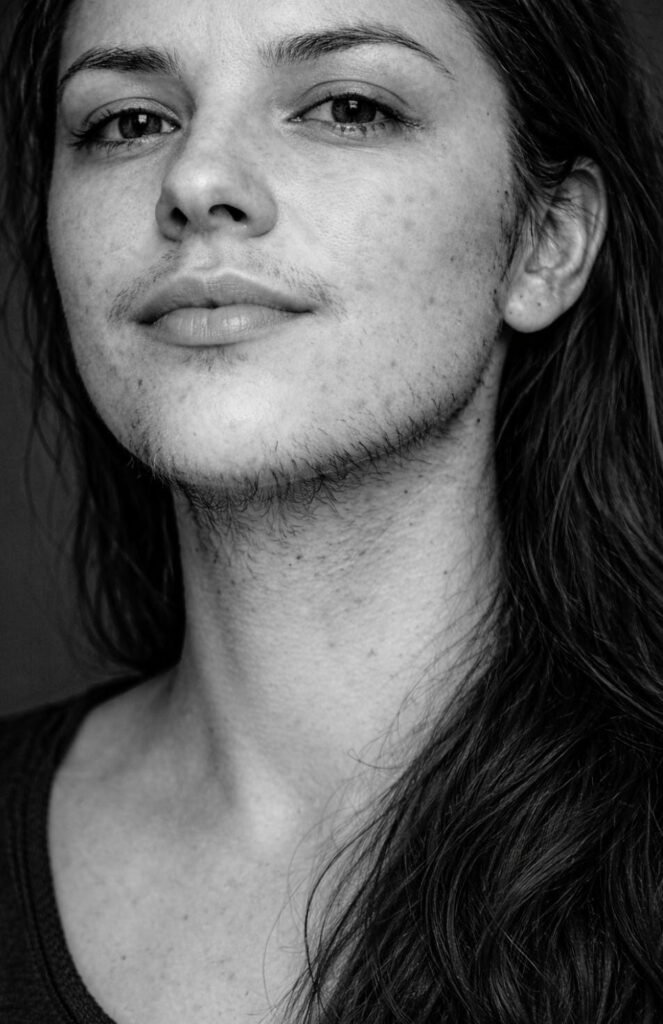
Extra facial hair associated with hormonal changes is commonly called hirsutism. It can appear on the chin, upper lip,polycystic ovaries hair on chin sideburn area, polycystic ovaries hair on chinchest, abdomen, or other areas where coarse hair is less typical for women. Higher androgen activity is one of the reasons this type of hair growthpolycystic ovaries hair on chin can occur.
Why Does PCOS Cause Hair on the Chin?
PCOS can be associated polycystic ovaries hair on chinwith higher levels or increased activity of hormones called androgens. These hormones can influence hair follicles and causepolycystic ovaries hair on chin thicker, darker hair to grow in areas such as the chin and face.
Not everyone with PCOS experiences excessive facial hair, and having chin hair by itself does not mean that someone has PCOS. Other causes of hirsutism can include certain medications and other hormonal conditions.
Other Signs That May Occur With PCOS
Unwanted chin hair can sometimes occur alongside other symptoms. These may include:
- Irregular or infrequent periods
- Acne or oily skin
- Thinning hair on the scalp
- Difficulty becoming pregnant
- Increased facial or body hair
- Changes associated with insulin resistance
Symptoms can vary considerably from person to person. Having one symptom alone does not establish a PCOS diagnosis.
Is Chin Hair Always Caused by PCOS?
No. Chin hair can have several possible causes. Some women naturally have more facial hair without an identifiable hormonal disorder. Family history and genetics can also influence hair growth.
Other medical conditions and some medicines can cause hirsutism as well. This is why sudden or rapidly increasing facial hair deserves medical evaluation rather than being automatically attributed to PCOS.
How Is PCOS-Related Chin Hair Treated?
Treatment depends on the underlying cause, your symptoms, and your individual circumstances. A healthcare professional may discuss hormonal treatment when appropriate.
Some treatments used for unwanted facial hair include hormonal birth control, anti-androgen medicines, and prescription eflornithine cream. Eflornithine can slow the rate of facial hair growth but does not remove existing hair.
Because some medicines used for hirsutism are not suitable during pregnancy, treatment should be discussed with a qualified healthcare professional, particularly if pregnancy is possible or planned.
Hair Removal Options for Chin Hair
If unwanted chin hair is mainly a cosmetic concern, several hair-removal methods are available.
Shaving
Shaving is a simple and inexpensive option. Contrary to a common myth, shaving does not make hair grow back thicker, darker, or faster. It can feel rougher when it grows back because shaving creates a blunt tip.
Tweezing
Tweezing can remove individual chin hairs from the root and may be convenient when only a few hairs are present. However, repeated plucking can irritate the skin in some people.
Waxing
Waxing removes multiple hairs at once. It can provide longer-lasting smoothness than shaving, although it may cause temporary redness or irritation.
Laser Hair Removal
Laser hair removal uses light energy to target hair follicles. Multiple sessions are usually required, and results can vary depending on factors such as hair color, skin type, and hormonal activity.
Electrolysis
Electrolysis uses electrical energy to target individual hair follicles. It is another professional hair-removal option for unwanted facial hair.
When Should You See a Doctor?
If you suddenly develop a lot of new coarse facial hair, it is worth speaking with a healthcare professional. Rapid or significant hair growth can sometimes indicate an underlying hormonal or medical problem.
It is particularly important to seek medical advice if facial hair growth occurs together with irregular periods, severe acne, scalp hair thinning, or other noticeable hormonal changes. Rapid hair growth accompanied by signs such as a deepening voice or other masculinizing changes should also be evaluated promptly.
A healthcare professional may review your symptoms and menstrual history and may recommend hormone or other tests when appropriate. There is no single test that diagnoses PCOS; evaluation considers the overall clinical picture.
Can Chin Hair From PCOS Go Away Permanently?
Managing the underlying hormonal condition can help reduce new unwanted hair growth for some people, but existing coarse hairs may still require a hair-removal method.
Treatments such as laser hair removal or electrolysis can provide longer-term reduction, while shaving, waxing, and tweezing provide temporary removal. Some people benefit from combining medical treatment with hair-removal methods.
Final Thoughts
Polycystic ovaries and hair on the chin can be connected because PCOS may increase androgen activity, which can encourage coarse facial hair growth. However, chin hair alone is not enough to diagnose PCOS.
If unwanted facial hair is increasing, especially alongside irregular periods, acne, or scalp hair thinning, getting a professional evaluation can help identify the underlying cause. Once the cause is understood, options ranging from hair removal to medical treatment can be discussed based on individual need