Does Waxing Reduce Hair Growth?
Does Waxing Reduce Hair Growth:Waxing is a popular hair-removal method used to remove unwanted hair from areas such as the legs, arms, underarms, face, and bikini area. Unlike shaving, which cuts hair at the surface of the skin, waxing removes the hair from the root. Because of this, many people wonder whether regular waxing can eventually make hair grow back slower, thinner, or less frequently.
The short answer is that waxing may make hair appear finer or less noticeable over time for some people but it does not permanently stop hair growth. The results can vary depending on genetics, hormones, hair type, and how frequently you wax.
How Does Waxing Work?
Waxing works by applying warm or cold wax to the skin and then quickly removing it. Does Waxing Reduce Hair Growth?The wax grips the hair and pulls it out from the root, including the hair shaft below the surface of the skin.
Because the entire hair is removed rather than simply cut, the skin usually stays smooth for longer than it does after shaving. Depending on the individual, results can last for several weeks before new hair becomes noticeable.
After waxing, the hair needs to grow through a new cycle before it becomes visible again. This is one reason why waxing can provide longer-lasting smoothness.
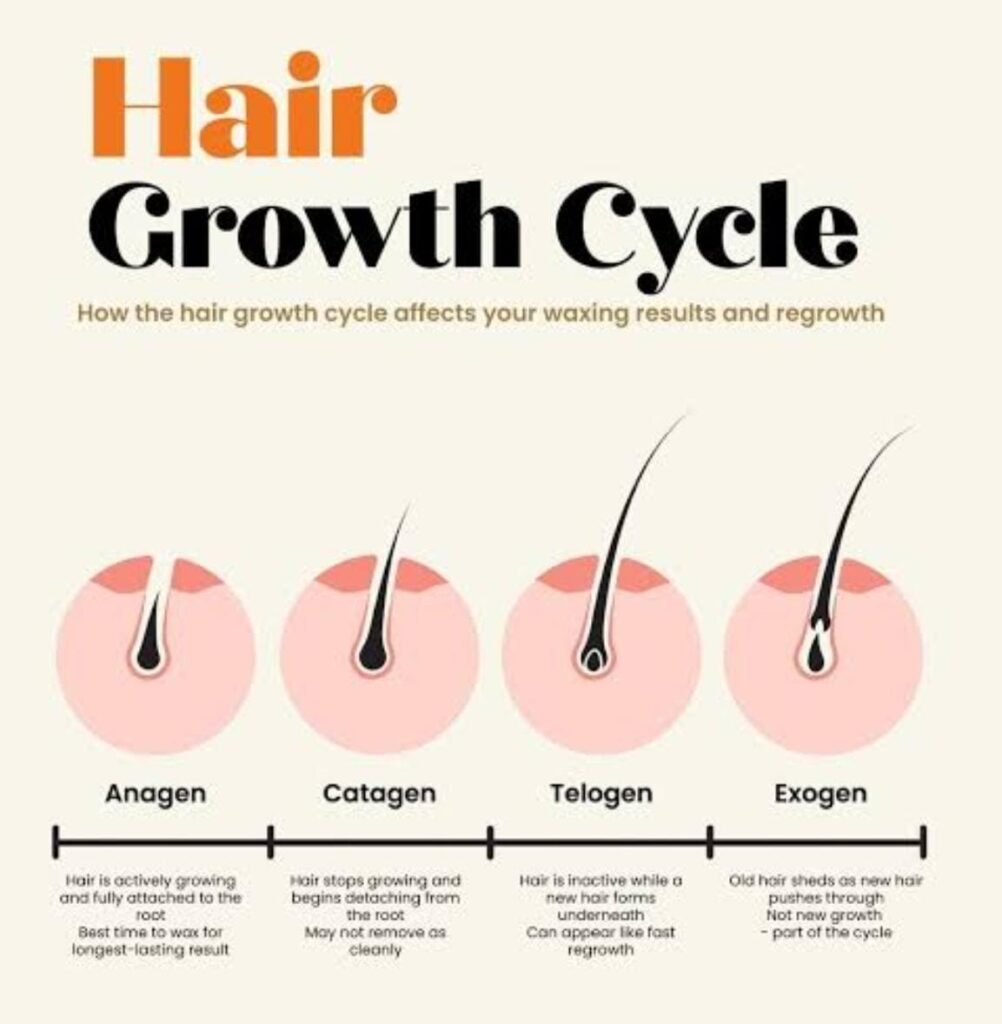
Can Regular Waxing Make Hair Grow Back Thinner?
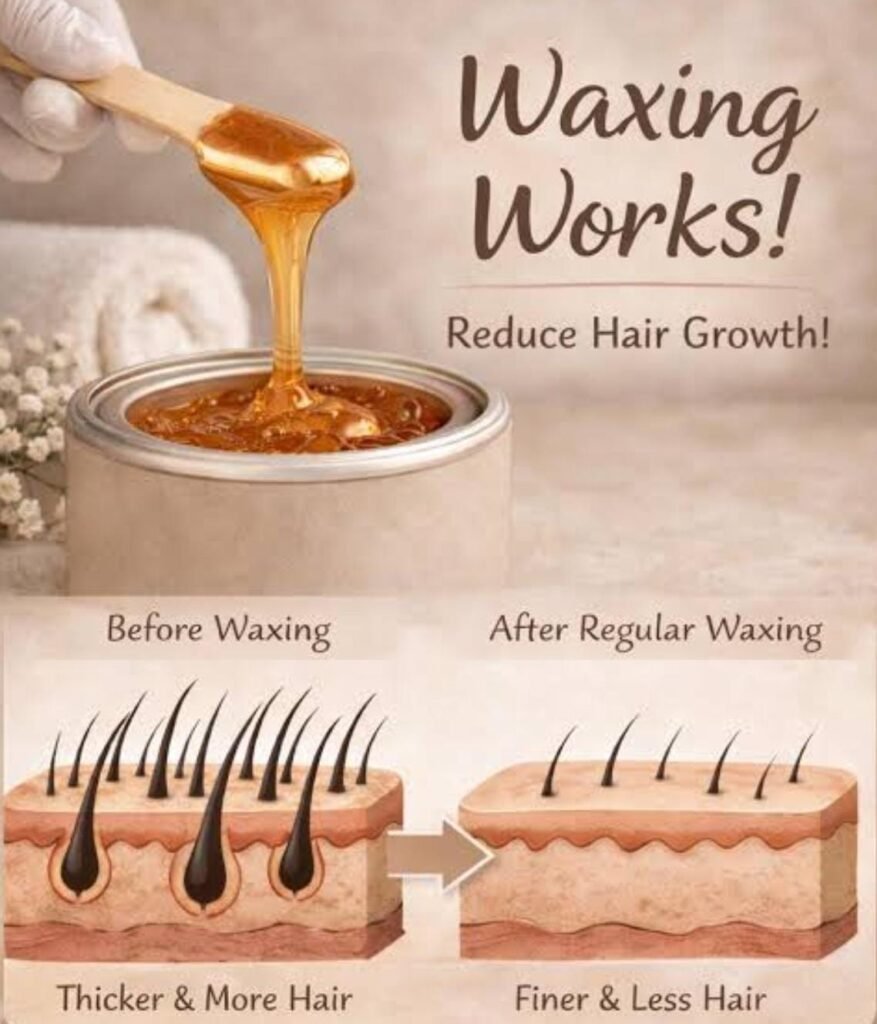
Some people notice that their hair appears softer, finer, or less dense after waxing regularly. Repeated removal from the root may affect individual hair follicles and, over time, some hairs may grow back with a finer appearance.
However, this does not happen to everyone, and waxing should not be considered a guaranteed method for permanently reducing hair growth. The number and thickness of hair follicles are influenced by genetics and hormones, so everyone’s results can be different.
If your hair naturally grows thick and quickly, waxing may reduce the appearance of hairDoes Waxing Reduce Hair Growth? for a period of time, but it is unlikely to eliminate growth completely.
Does Waxing Permanently Reduce Hair Growth?
Waxing is not a permanent hair-removal treatment. Hair follicles remain in the skin, which means they can continue producing new hair.
With consistent waxing, some people may experience slower or finer regrowth, but this is not the same as permanent hair reduction. If your goal is a more lasting reduction in hair growth, professional treatments such as laser hair removal may be considered.
Laser hair removal works differently from waxing because it targets the hair follicle rather than simply removing the visible hair. Results vary, and multiple professional treatments are usually required.
How Often Should You Wax?
The ideal waxing schedule depends on how quickly your hair grows. Many people wax every three to six weeks, allowing enough time for the hair to grow to an appropriate length for the wax to grip it effectively.
Waxing too frequently can irritate the skin and may cause redness, sensitivity, or small bumps. It is generally better to allow enough regrowth between sessions rather than repeatedly waxing very short hair.
Following a consistent routine can also make the process easier because you become familiar with your skin’s reaction and hair-growth cycle.
Benefits of Waxing
Waxing offers several benefits compared with some other temporary hair-removal methods. Since the hair is removed from the root, the results can last longer than shaving.
It can also leave the skin feeling smooth because waxing removes hair along with some dead skin cells on the surface. Many people appreciate the convenience of not having to shave every few days.
However, waxing can be uncomfortable, especially if you have sensitive skin or are waxing an area for the first time. Temporary redness and irritation can also occur.
How to Care for Your Skin After Waxing
Proper aftercare is important for keeping the skin comfortable and reducing irritation. Immediately after waxing, avoid excessive heat, very hot showers, intense exercise, and tight clothing on the treated area if your skin is sensitive.
Once the skin has calmed down, gentle exfoliation can help reduce the chance of ingrown hairs. A mild moisturizer can also help keep the skin hydrated.
Avoid applying harsh products, strong fragrances, or irritating skincare ingredients immediately after waxing because freshly waxed skin can be more sensitive than usual.
Waxing vs. Shaving for Hair Growth
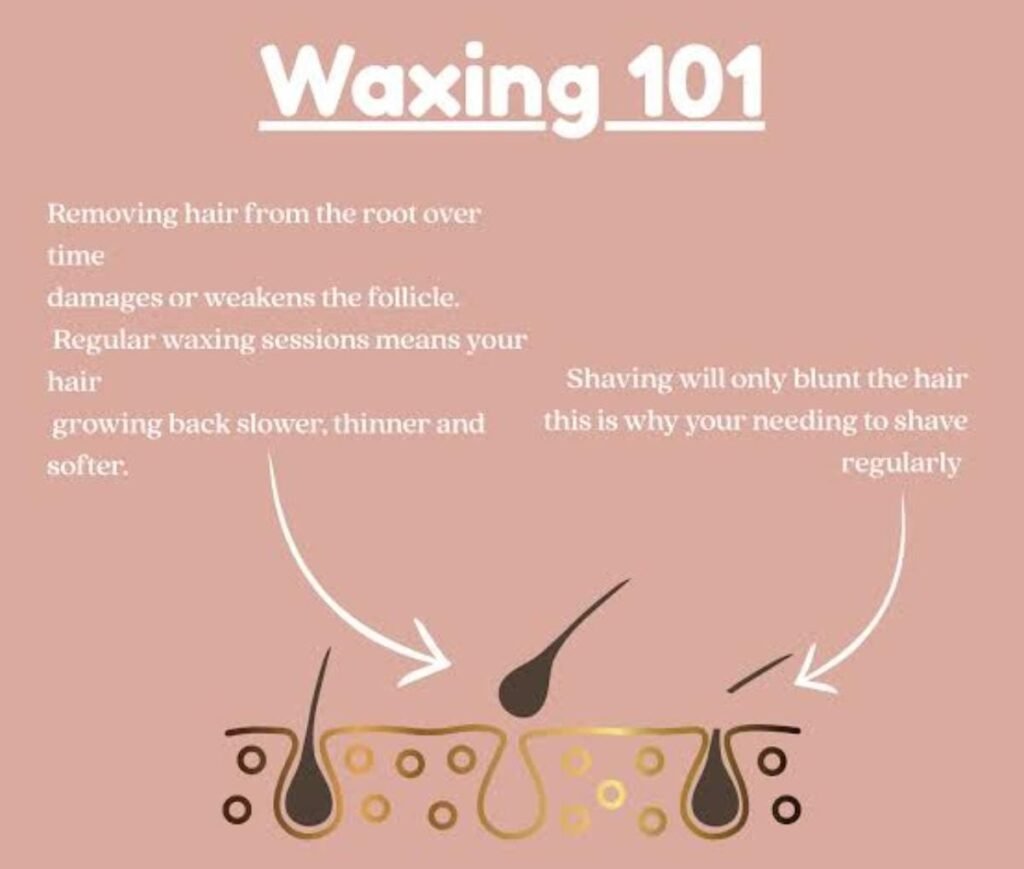
Waxing and shaving remove hair in different ways. Shaving cuts hair at the surface of the skin, while waxing pulls the hair out from the root.
Because shaving does not remove the follicle, hair begins growing again relatively quickly. Waxing generally keeps the skin smooth for longer because the hair has to grow back from the follicle.
Neither method permanently stops hair growth. The choice between waxing and shaving usually depends on personal preference, skin sensitivity, budget, and how long you want the results to last.
When Should You Avoid Waxing?
Waxing is not suitable for everyone or every situation. People with irritated, sunburned, broken, or inflamed skin should avoid waxing until the skin has healed.
Some skincare products and treatments can also make the skin more sensitive. If you are unsure whether waxing is appropriate for your skin, especially when using strong skincare treatments, it is best to ask a qualified professional.
Final Thoughts
Waxing may reduce the appearance of hair over time for some people, but it does not permanently stop hair growth. Regular waxing can lead to hair that looks finer or grows back more slowly in certain individuals, but results vary.
For smooth skin and longer-lasting temporary hair removal, waxing can be an effective option. If your main goal is significant or long-term hair reduction, professional treatments such as laser hair removal may be worth discussing with a qualified specialist.