Do Prenatal Vitamins Promote Hair Growth?
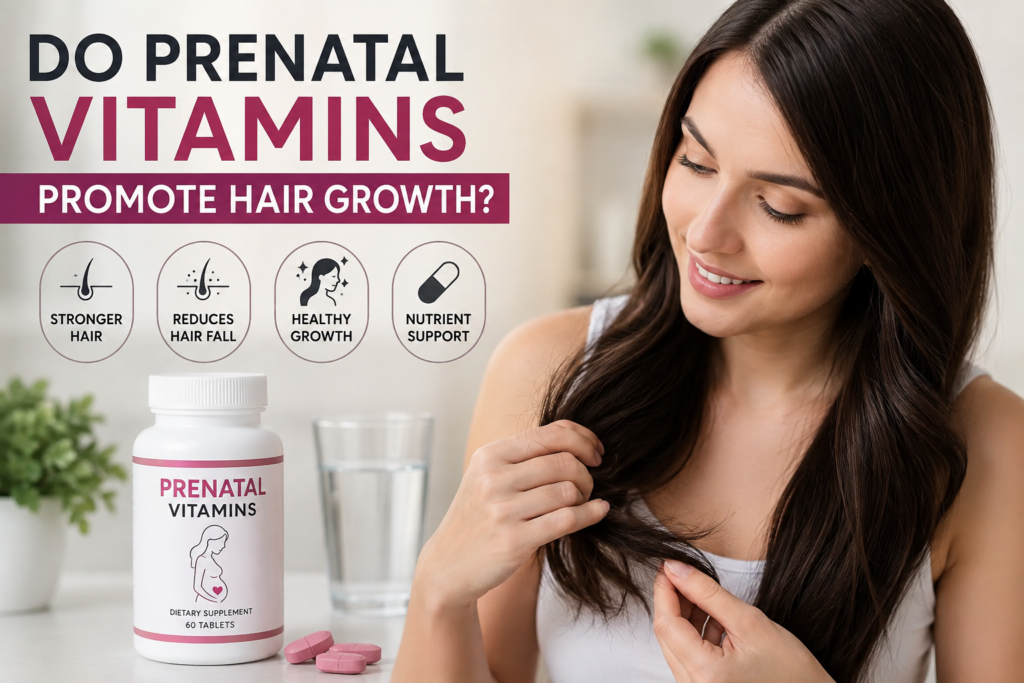
Do Prenatal Vitamins Promote Hair Growth :Healthy, thick, and strong hair is something many people want, which is why vitamins and supplements are often promoted as an easy way to improve hair growth. Prenatal vitamins, in particular, have gained attention because many women believe Do Prenatal Vitamins Promote Hair Growth?that the nutrients inside them can make hair grow faster, thicker, and stronger.
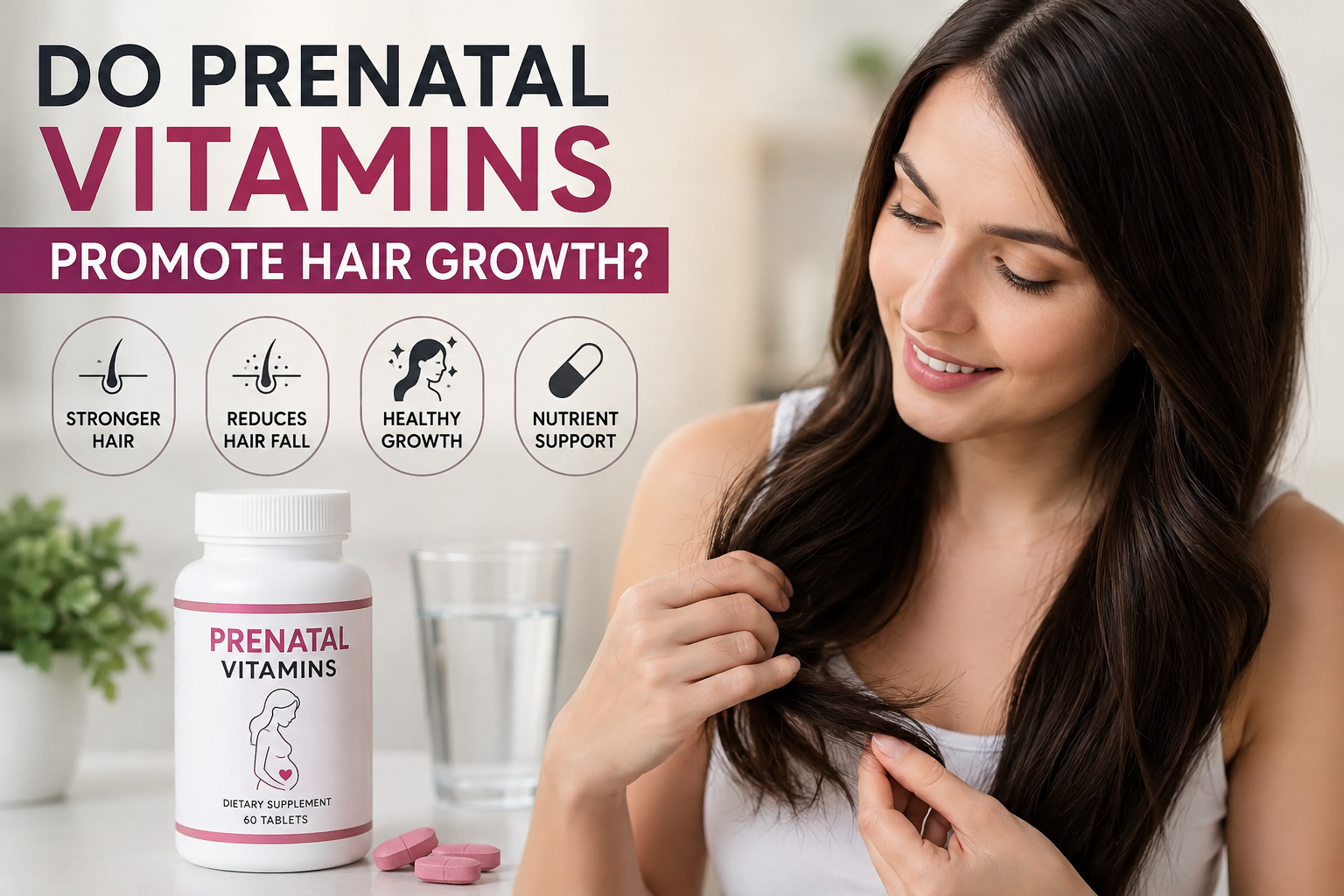
Prenatal vitamins are specially formulated to support the nutritional needs of women before and during pregnancy. They commonly contain nutrients such as folic acid, iron, vitamin D, calcium, and B vitamins. Some of these nutrients are important for maintaining healthy hair, but that does not necessarily mean prenatal vitamins are an effective hair-growth treatment.
So, do prenatal vitamins actually promote hair growth? The answer is not as simple as yes or no.Do Prenatal Vitamins Promote Hair Growth? They may support healthy hair when a person has a nutritional deficiency, but there is limited evidence that taking prenatal Do Prenatal Vitamins Promote Hair Growth?vitamins will make hair grow faster if the body already receives enough nutrients.
Why Are Prenatal Vitamins Associated With Hair Growth?
The belief that prenatal vitamins promote hair growth comes from the nutrients they contain. Hair follicles need a steady supply of nutrients to function properly. When the body lacks certain essential nutrients, hair may become weak, brittle, or more prone to shedding.
Iron is one important nutrient found in many prenatal vitamins. It helps the body produce hemoglobin, which carries oxygen to tissues throughout the body. Folate is another important nutrient because it supports cell production and normal growth.
Prenatal vitamins may also contain biotin and other B vitamins, which are commonly associated with healthy hair. However, having adequate levels of these nutrients is different from taking extra amounts and expecting faster hair growth.
Can Prenatal Vitamins Help With Hair Loss?
Prenatal vitamins may help indirectly when hair problems are related to a nutritional deficiency. For example, a person with low iron levels may experience increased hair shedding. In such cases, correcting the deficiency can support normal hair health.
However, hair loss can happen for many different reasons. Stress, hormonal changes, genetics, illness, rapid weight loss, certain medications, and nutritional deficiencies can all contribute to increased shedding.
This is why simply taking prenatal vitamins may not solve the problem. If hair loss continues for a long time, it is more helpful to identify the underlying cause rather than relying on a general vitamin supplement.
What Role Does Biotin Play?
Biotin is one of the most well-known nutrients associated with hair, skin, and nails. Because some prenatal vitamins contain biotin, people sometimes assume that these supplements automatically encourage hair growth.
However, biotin deficiency is relatively uncommon, and there is limited evidence that taking additional biotin improves hair growth in people who already have adequate levels.
In other words, more biotin does not necessarily mean faster hair growth. A balanced diet that provides the nutrients your body needs is generally more important than taking high doses of a single vitamin.
Why Does Hair Sometimes Look Thicker During Pregnancy?
Pregnancy itself can affect the normal hair-growth cycle. During pregnancy, hormonal changes can cause more hairs to remain in the growth phase for longer. As a result, some women notice that their hair appears fuller or thicker.
This change is often attributed to pregnancy-related hormonal changes rather than prenatal vitamins alone. After pregnancy, hormone levels change again, and some women experience increased shedding known as postpartum hair shedding.
Therefore, the thicker hair some women notice during pregnancy should not automatically be considered proof that prenatal vitamins are causing extra hair growth.
Should You Take Prenatal Vitamins Just For Hair Growth?
If you are pregnant or planning to become pregnant, prenatal vitamins can be an important part of meeting increased nutritional needs. They are designed primarily to support the health of the mother and developing baby.
If you are not pregnant and are not planning to become pregnant, taking prenatal vitamins solely for hair growth is generally unnecessary. Prenatal supplements contain specific combinations and amounts of nutrients intended for pregnancy, so they should not be viewed as ordinary hair-growth supplements.
If you are concerned about hair thinning, speaking with a healthcare professional or dermatologist can help determine whether a nutritional deficiency or another issue may be contributing to the problem.
Better Ways to Support Healthy Hair Growth
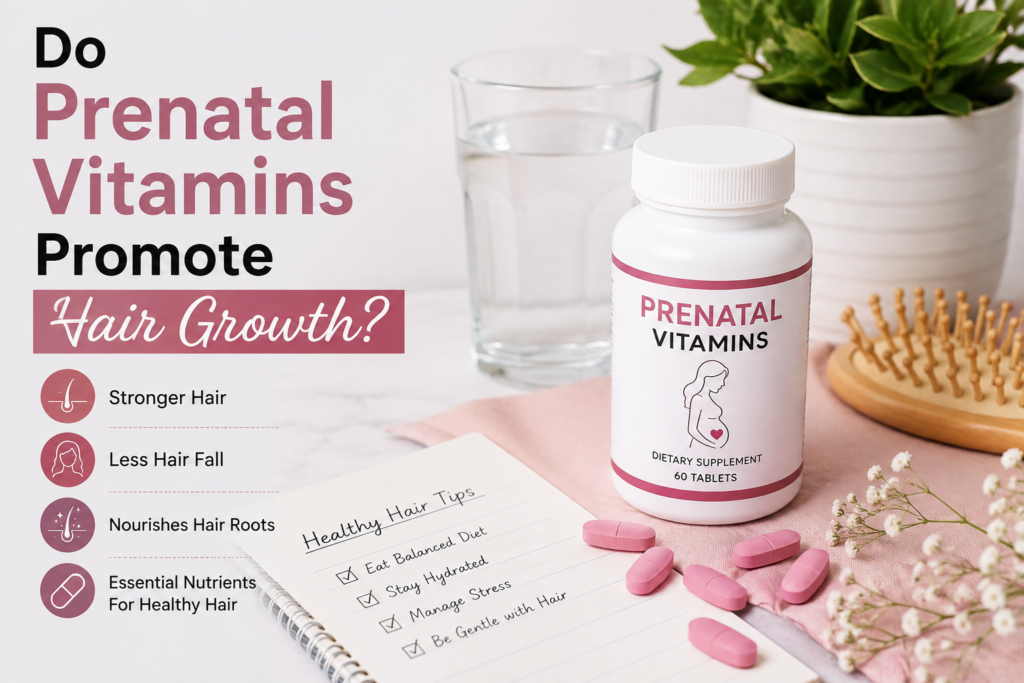
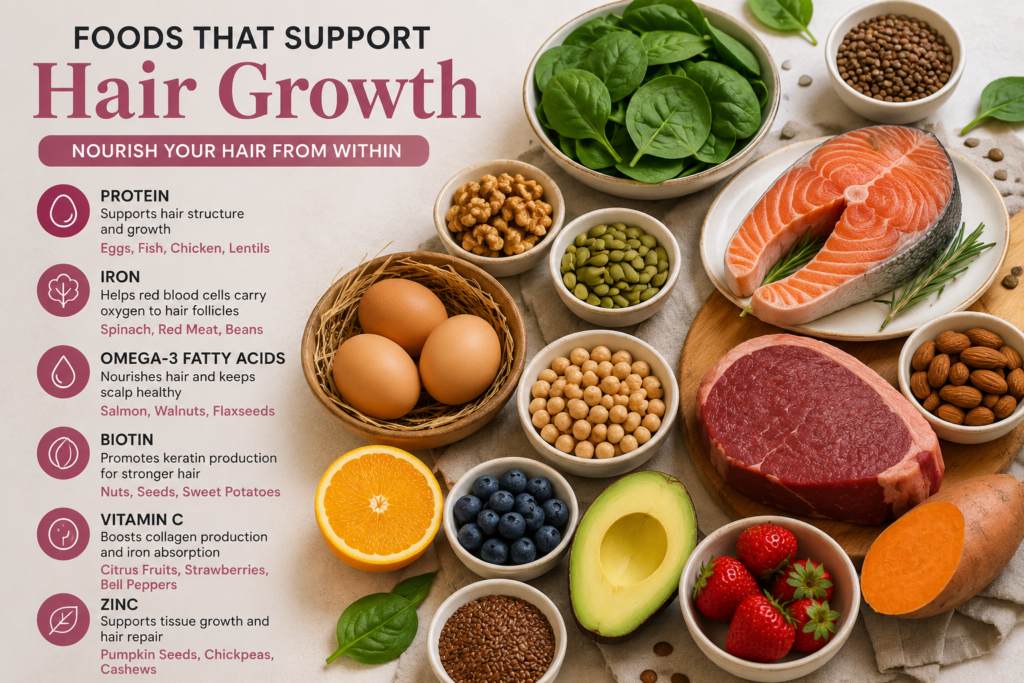
Instead of depending on prenatal vitamins, focus on overall nutrition and healthy hair-care habits. Eating a balanced diet with enough protein, iron-rich foods, fruits, vegetables, whole grains, and healthy fats can provide many of the nutrients needed for normal hair growth.
Gentle hair care can also make a difference. Avoiding excessive heat styling, harsh chemical treatments, very tight hairstyles, and rough brushing can help reduce breakage and keep existing hair looking healthier.
It is also important to remember that hair grows gradually. There is no vitamin that can instantly transform hair or make it grow dramatically overnight. Consistent nutrition, appropriate hair care, and addressing any underlying problems are more realistic ways to support long-term hair health.
When Should You See a Professional?
Some daily hair shedding is normal, but noticeable or persistent hair loss deserves attention. If you are experiencing sudden thinning, bald patches, excessive shedding, or significant changes in hair texture, a dermatologist can help determine the possible cause.
A professional may also recommend blood tests if a nutritional deficiency is suspected. Taking supplements based on an identified deficiency is generally more appropriate than taking multiple vitamins without knowing whether they are needed.
Final Thoughts
Prenatal vitamins are not proven to be a dedicated hair-growth solution. They contain several important nutrients that support overall health, and correcting a nutritional deficiency may help improve hair health in some people. However, taking prenatal vitamins when you do not need them does not guarantee faster, thicker, or stronger hair.
For healthier hair, focus on a balanced diet, gentle hair-care practices, and identifying the cause of persistent hair loss. Prenatal vitamins should primarily be used for their intended purpose—supporting nutritional needs before and during pregnancy—rather than as a beauty supplement for hair growth.