Zepbound and Hair Loss: What You Should Know
Zepbound and hair loss :is a topic that has attracted attention among people using tirzepatide for weight management. Hair shedding is listed as a commonzepbound and hair loss side effect of Zepbound, and the FDA prescribing information states that the hair loss observed in clinical trials was associated with weightzepbound and hair loss reduction.
For someone who suddenly notices more hair in the shower, on a pillow, or on a hairbrush, this can understandably be concerning. The good news is that zepbound and hair lossincreased shedding does not necessarily mean permanent hair loss. Understanding the possible connection between Zepbound, rapid weight loss, zepbound and hair lossnutrition, and the hair-growth cycle can help put the issue into perspective.
What Is Zepbound?
Zepbound is the brand name for tirzepatide, a medication used with a reduced-calorie diet and increased physical activity for certain adults with obesity or overweight with a weight-related health condition. It is also approved for adults with obesity and moderate-to-severe obstructive sleep apnea.
Because Zepbound can produce substantial weight loss, changes in the body’s nutritional and metabolic environment may affect the hair-growth cycle in some people.
Can Zepbound Cause Hair Loss?
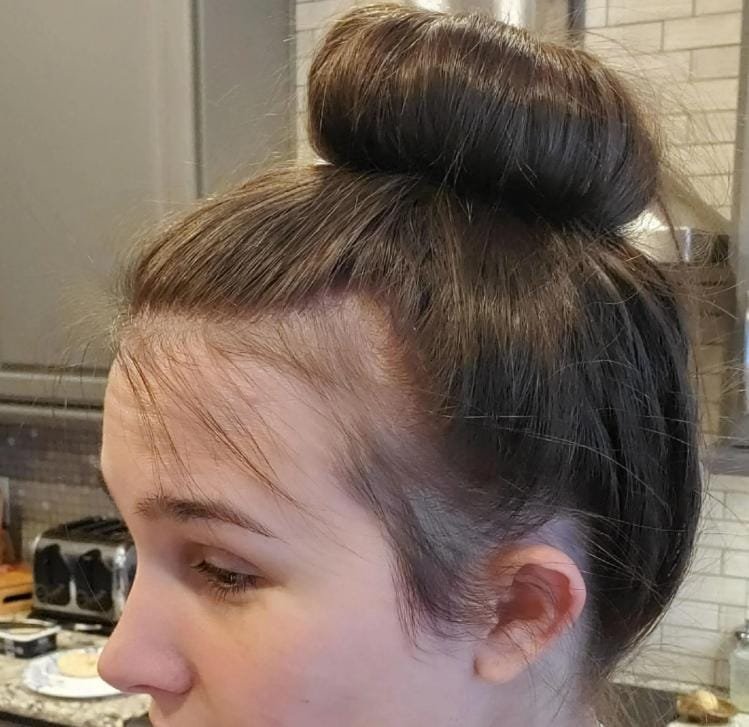
Yes, hair loss is a recognized side effect of Zepbound. In clinical trials involving adults with obesity or overweight, hair loss occurred more often among people receiving Zepbound than those receiving placebo. The current FDA labeling specifically notes that hair-loss adverse reactions were associated with weight reduction.
In one pooled analysis of Zepbound clinical trials, hair loss was reported in approximately 5% of participants taking 5 mg, 4% taking 10 mg, and 5% taking 15 mg, compared with 1% receiving placebo.
This does not mean that everyone taking Zepbound will experience hair loss.
Why Might Hair Loss Happen With Zepbound?
The exact reason can vary from person to person. One important possibility is rapid weight loss.
When the body experiences a significant physical or metabolic change, more hairs can temporarily enter the resting phase of the hair-growth cycle. This can lead to increased shedding several weeks or months after the triggering event.
The FDA’s clinical review of Zepbound discusses this connection and notes that hair loss can occur after significant weight loss from different causes, including dietary restriction, surgery, and weight-loss medications.
Therefore, the shedding may be related more to the weight-loss process than to a direct damaging effect of tirzepatide on the hair follicle.
What Does Zepbound-Related Hair Shedding Look Like?
People experiencing increased shedding may notice:
- More hair than usual in the shower
- Hair collecting on a pillow
- Increased hair on a brush or comb
- A larger amount of hair coming out during washing
- Overall reduction in hair density
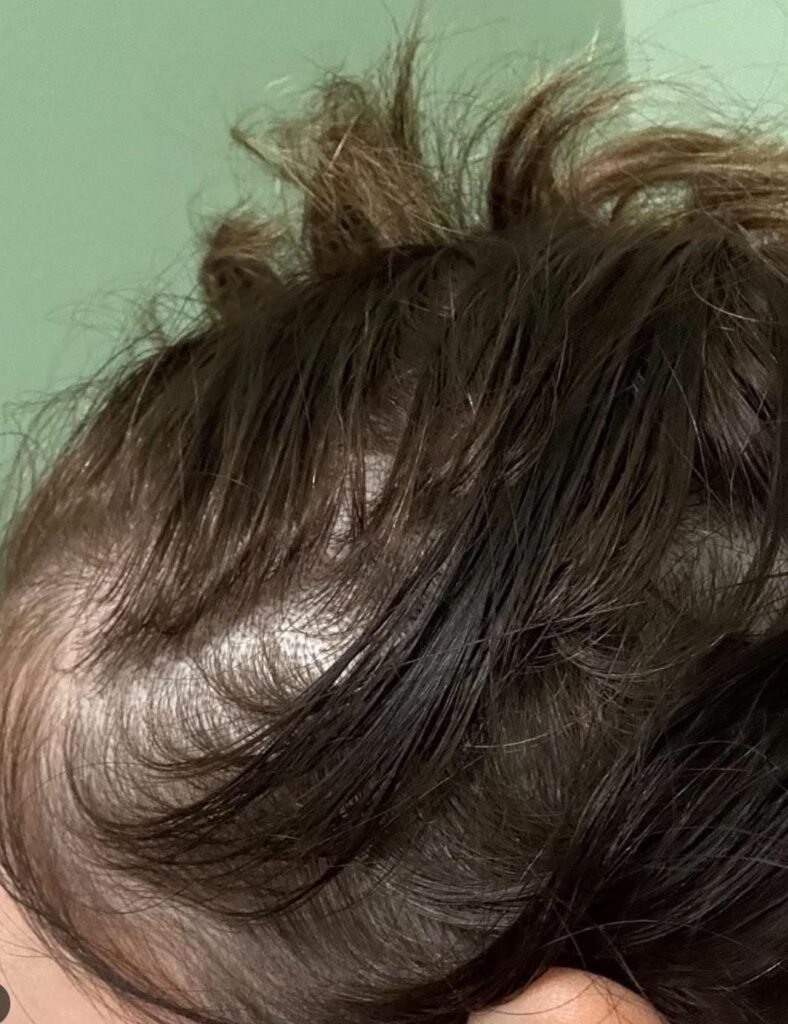
This type of shedding can sometimes be diffuse, meaning hair is shed from across the scalp rather than from one specific bald patch.
If you develop clearly defined bald spots, severe scalp irritation, or rapidly progressing hair loss, another cause may need to be considered.
Is Zepbound Hair Loss Permanent?
Not necessarily. When increased shedding is related to a temporary disruption of the hair-growth cycle, hair may gradually recover after the underlying trigger improves.
However, recovery can take time. Hair grows relatively slowly, so improvement in shedding does not always mean that visible thickness returns immediately.
It is also possible for someone taking Zepbound to have another unrelated cause of hair loss at the same time. Persistent or severe hair loss should therefore be evaluated by a healthcare professional.
Nutrition and Hair Health During Weight Loss
Nutrition is an important part of maintaining healthy hair while losing weight. Very restrictive eating patterns or inadequate intake of protein and essential nutrients can contribute to hair shedding.
Rather than relying on high-dose hair supplements, focus on maintaining a balanced eating pattern that provides adequate protein, fruits, vegetables, whole grains, and other nutrient-rich foods.
If you are concerned that you may have a nutritional deficiency, speak with your healthcare professional before starting supplements. Taking unnecessary high doses of certain nutrients is not a guaranteed solution for hair loss.

What Can You Do About Hair Loss While Taking Zepbound?
If you notice increased shedding, do not stop or change your prescription medication without speaking with the healthcare professional who prescribed it.
Instead, consider focusing on gentle hair care and overall nutrition.
Use a mild shampoo and a moisturizing conditioner. Avoid excessive heat from straighteners, curling irons, and very hot blow-drying. Try to avoid tight hairstyles that put repeated tension on the hair.
A leave-in conditioner or detangling product can also help reduce unnecessary breakage during brushing and styling.
Does Hair Oil Stop Zepbound Hair Loss?
Hair oils such as argan oil, coconut oil, or avocado oil can help improve the softness and appearance of the hair, but they should not be considered a proven treatment for medication-related shedding.
Oil can make dry hair feel smoother and may help reduce friction, but it does not address the underlying reason why hairs may be entering the shedding phase.
For this reason, the most useful approach is to identify the cause of the shedding rather than relying only on cosmetic products.
When Should You Contact a Healthcare Professional?
Talk with your healthcare professional if your hair loss is severe, continues for a long time, or is causing significant concern.
It is especially important to seek evaluation if you notice:
- Sudden bald patches
- Significant scalp thinning
- Scalp redness, scaling, or pain
- Eyebrow or eyelash loss
- Very rapid hair loss
- Other new symptoms occurring at the same time
A healthcare professional can consider whether the shedding is related to weight loss, nutrition, medication, hormones, thyroid problems, or another condition.
Should You Stop Zepbound Because of Hair Loss?
Do not make changes to your Zepbound treatment without discussing them with your prescriber. Hair loss is a recognized adverse effect, but the FDA labeling indicates that the hair loss seen in trials was associated with weight reduction.
Your healthcare professional can help determine whether the benefits and side effects of treatment need to be reassessed and whether another cause of hair loss should be investigated.
Frequently Asked Questions
Does Zepbound cause hair thinning?
Hair loss is a recognized side effect of Zepbound. Clinical-trial data show that it occurred more frequently with Zepbound than placebo, and the FDA states that the hair loss was associated with weight reduction.
How long can Zepbound-related hair shedding last?
The duration can vary. If shedding is related to a temporary disruption of the hair-growth cycle, it may gradually improve after the underlying trigger settles. Hair recovery itself can take longer because hair grows slowly.
Can eating enough protein help?
Adequate protein is important for normal hair growth. During weight loss, maintaining a balanced diet and adequate nutrient intake is important. If you are concerned about your diet, discuss your nutritional needs with a healthcare professional.
Can hair products reverse Zepbound hair loss?
Hair products cannot directly reverse medication- or weight-loss-related shedding. However, gentle shampoos, conditioners, leave-in products, and heat protectants can help reduce additional hair damage and breakage.
Final Thoughts
Zepbound and hair loss can be connected, particularly during significant weight reduction. Hair loss is listed among Zepbound’s common side effects, and clinical information indicates that the observed hair loss was associated with weight reduction.
In many cases, increased shedding may be temporary rather than permanent. Maintaining good nutrition, caring for the hair gently, and avoiding unnecessary damage can help support healthy-looking hair.
If shedding is severe, persistent, or accompanied by other unusual symptoms, getting professional medical advice is the most important and effective next step.